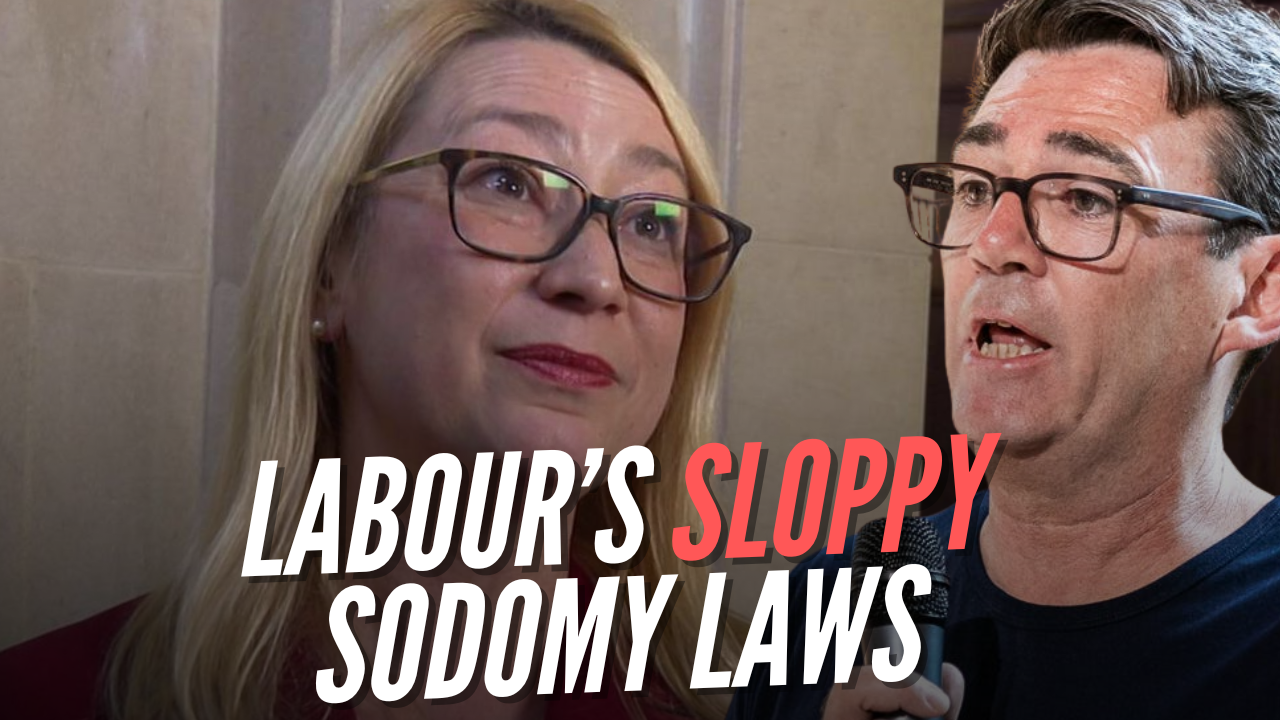
As new legal restrictions governing the possession of adult media come into force, public debate has intensified over how vague statutory definitions may criminalize widely practiced, consensual sexual behaviors. The legislation, which targets material depicting extreme acts such as strangulation and suffocation, has drawn severe scrutiny from legal observers, creators, and online audiences after public figures attempting to explain the framework exposed significant gaps between the policy's stated intent and its potential real-world application.
Central to the controversy is how key terms in the law are defined—or left undefined. Under the official guidance issued alongside the rules, acts of suffocation are noted to require no physical pressure on the neck and could technically encompass any action that obstructs the mouth and nose. Because neither strangulation nor suffocation is explicitly defined within the primary statute, legal experts note that interpreting where normal consensual boundary-pushing ends and illegal depiction begins will rest entirely on court precedent. While previous regulations restricted the commercial sale and distribution of unclassified material, the updated statute establishes potential prison sentences of up to two years for simple possession by adults, vastly raising the legal stakes for individual consumers.
The Public Debate Over Scope and Specificity
The friction between policymakers and the public became starkly visible during recent online discussions, where attempts to clarify the law's reach generated further confusion. When questioned on whether specific, common practices—such as oral sex or face-sitting—might fall under the prohibition, official responses relied on citations concerning throat health and HPV vaccinations rather than addressing physical airway obstruction or legal definitions. Critics quickly pointed out that referencing long-term medical risks completely misses the mark when drafting criminal legislation meant to prevent immediate physical harm.
Observers across the political spectrum have expressed frustration over the perceived puritanism driving the policy. One participant in the public discourse summarized the absurdity of using broad health risks as a justification for criminalization:
"By this logic we should ban all sex because sex could lead to STDs"
Others pointed out the fundamental flaw in passing broad legislation and leaving the specifics to be sorted out through trial and error in the criminal justice system:
"Nice to know your rights and freedoms are just down to a russian roulette depending on how the courts are feeling on that given day."
Impact on Creators and Adult Performers
Beyond theoretical legal debates, independent adult content creators have expressed urgent concerns regarding their livelihoods. Performers who produce niche, female-domination, or consensual kink content fear that broad interpretations of breathplay or physical restraint could instantly turn their existing catalogues into illegal material. Compounded by broader digital safety regulations that have already altered online advertising and distribution channels, many face immediate financial instability.
One independent creator outlined the immediate jeopardy posed by the vague statutory boundaries:
"I'm a guy that does Onlyfans, making female domination content, mostly women pegging me. With a few fantasy wrestling clips where I pretend to lose, with the occasional headscissors.
I've also had women sit on my face and trample on me
This could see me sentenced and imprisoned"
Broad Legislation and Unintended Consequences
The ongoing outcry highlights a recurring issue in contemporary digital and moral legislation: lawmakers drafting broad, ill-defined rules to address specific social concerns, only to pass the burden of interpretation onto judges and law enforcement. While proponents argue that strict measures are necessary to curb extreme acts and safeguard individuals, critics maintain that prohibiting private, consensual media between adults fails to deliver meaningful protection while overreaching into personal lives.
As the rules take full effect, the law's impact will ultimately depend on how prosecutors choose to enforce its parameters. Until formal legal precedents are set, both creators and consumers remain in a state of legal uncertainty, navigating a system where everyday adult choices could suddenly carry severe criminal consequences.

