
Cedarbayarcade
Six voyages chartedFree to startPlayed from Canada

Browser adventures for captains, colonists and frontier builders

Cedarbayarcade is a small editorial desk that plays strategy and adventure games of the sea, the islands and the open frontier. We spend weeks inside each one, logging what a free captain actually meets: the timers, the trade routes, the raids, the people. Six games made our chart, each with an honest score and a plain first-week plan.

6games reviewed in depth
4scored criteria per review
2long-form guides
7reader questions answered
MarlowPick a heading, captain. I’ll keep the lantern lit while you sail.
Marlow, the Cedarbayarcade guide
Grepolis
#1 · Start here
8.2of 10
Flagship of the fleet

Grepolis

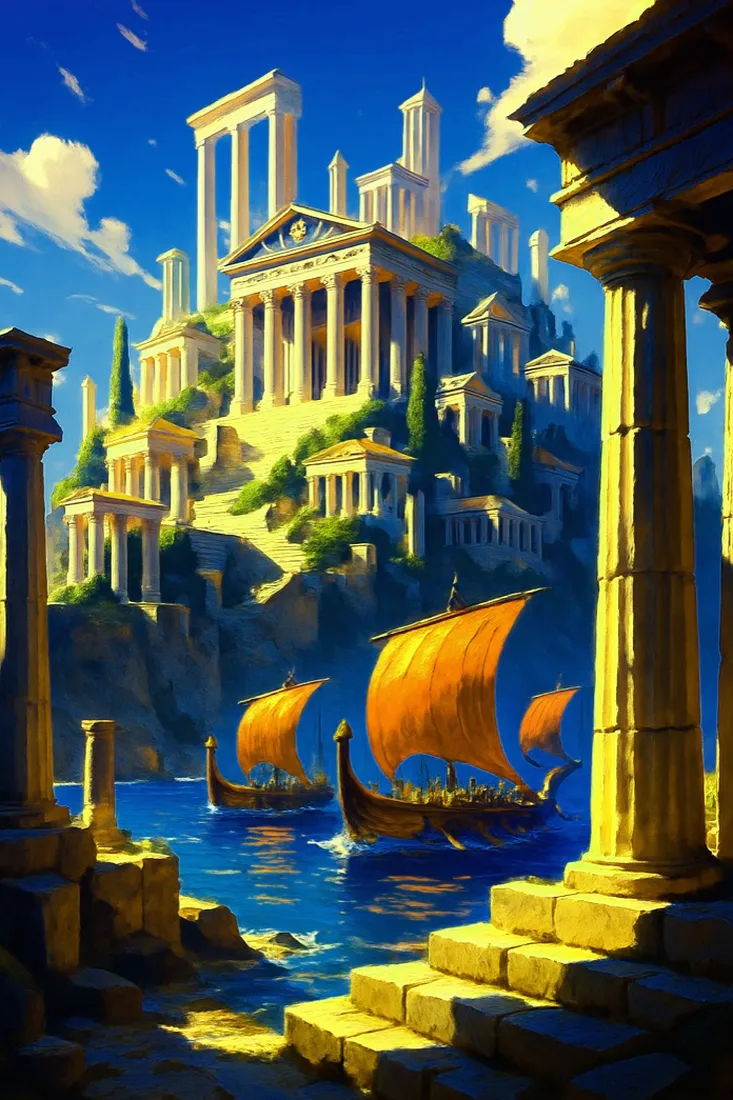
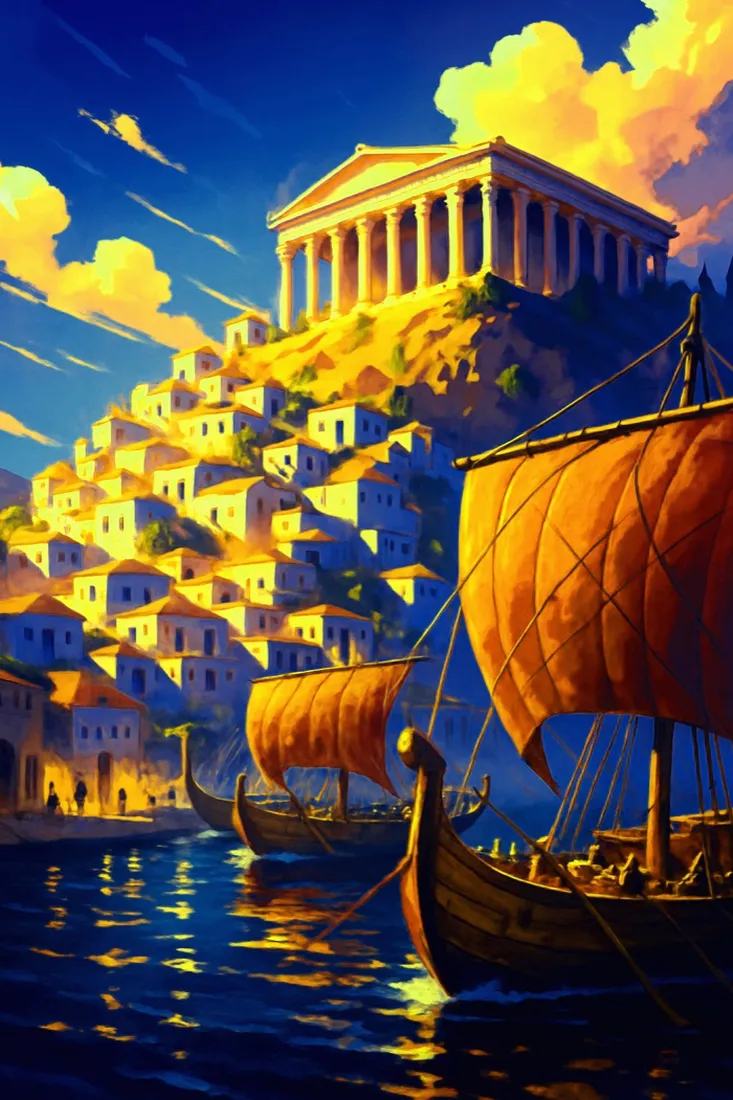
Grepolis earns the top berth because it does almost everything this niche promises at once: a city to raise, an island to share, a sea to command and a pantheon of gods watching over the whole affair.

Published by InnoGamesGods grant favour and divine powersBrowser plus iOS and Android apps

You begin with a modest polis on an island in a mythic Greek world and grow it into a harbour city that fields both hoplites and triremes. The gods are the twist that keeps it fresh. Pledge your city to Zeus, Poseidon, Hera, Athena or Hades and favour starts to accumulate, ready to be spent on divine powers or on mythical units like Pegasus, Medusa, the Cyclops and the Minotaur. Alliances matter enormously, and the slow, social pace suits a few check-ins a day rather than marathon sittings.

The six on our chart

Six crossings, ranked by the Cedarbay desk

Two sea-going action games, two classical island empires, a dusty frontier land-grab and a city on the Nile. Each card tells you the tempo, the type of captain it suits and how much of your week it will quietly claim. Read the card, then open the full log for the detail.

GrepolisStart here01
Mythic city-state strategy

Grepolis

Grow a small Greek polis into an island power with an army, a navy and a patron god. Favour from Zeus, Poseidon, Hera, Athena or Hades fuels divine powers and mythical units such as Pegasus and Medusa. Alliances decide almost everything, so it shines brightest when you join a lively one early.

City-state buildingMythological unitsNaval warfare
Desktop browser; mobile app also available
Depth of the charts9
Rhythm of a voyage8
Fair winds for free captains7
Crew and company9
IkariamGentlest harbour02
Island trade empire

Ikariam

A sunlit Mediterranean archipelago where every island produces timber plus a single luxury good, so growth runs through trade, colonies and the occasional siege. Gameforge’s classic rewards patient planners: build a town, keep citizens happy with wine and culture, research steadily and send cargo ships along routes you designed yourself.

Island coloniesTrade by necessityPort sieges
Desktop browser
Depth of the charts8
Rhythm of a voyage9
Fair winds for free captains7
Crew and company7
SeafightHands on the wheel03
Pirate naval action

Seafight

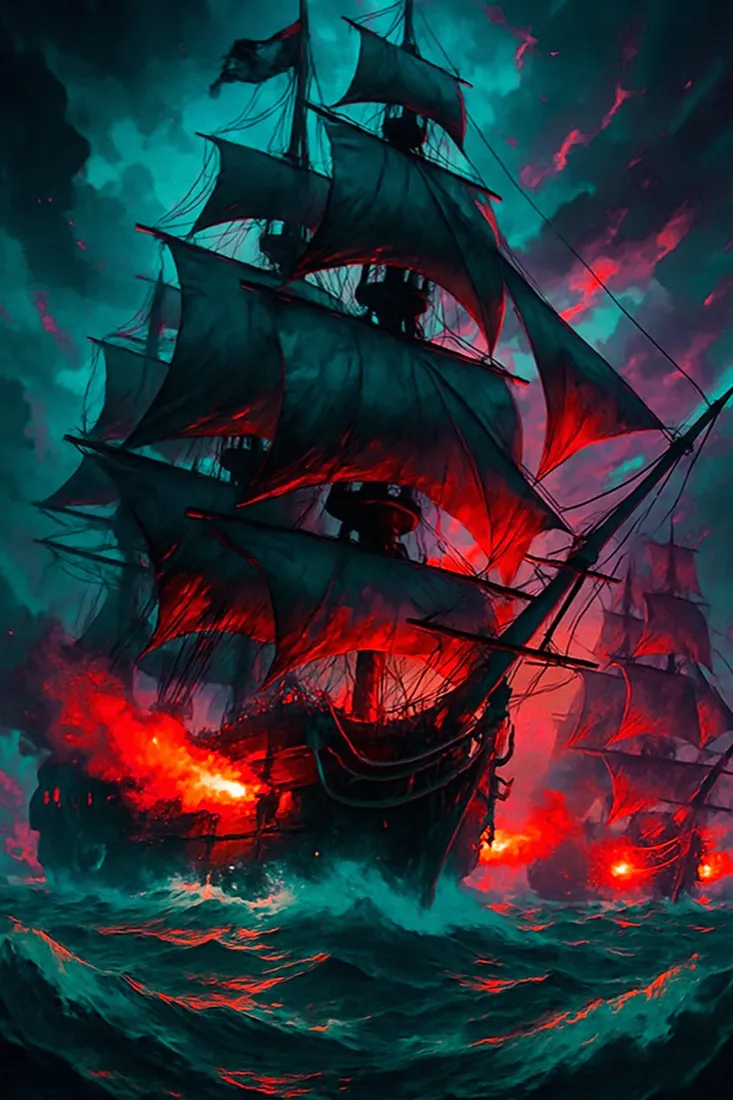
Bigpoint’s pirate MMO puts you on deck rather than in a city. You sail your own ship across open seas, choose ammunition for each fight, hunt giant sea monsters and capture rival vessels for their booty. Guilds give you a crew of friends, though solo sailing is possible if you keep a careful lookout.

Naval battlesShip upgradesTreasure hunts
Desktop browser
Depth of the charts6
Rhythm of a voyage8
Fair winds for free captains5
Crew and company7
Battle PiratesShipwright’s pick04
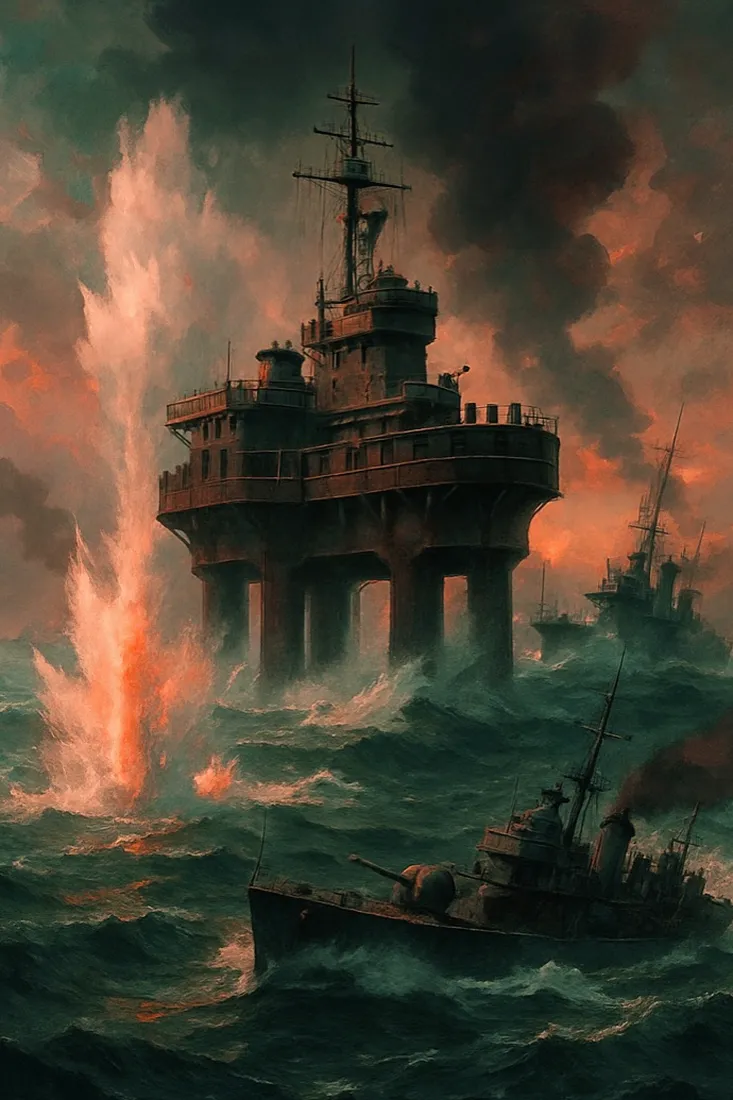
Warship design strategy

Battle Pirates

Kixeye’s naval war game is built around the shipyard. You fit hulls with weapons, armour and components, assemble fleets and send them across an ocean map to raid rival bases and computer-controlled foes. Back home, your own floating base needs turrets and docks. Now running on WebGL in the browser after leaving Flash behind.

Design your warshipsOcean map raidsBase defence
Desktop browser
Depth of the charts8
Rhythm of a voyage6
Fair winds for free captains5
Crew and company7
WildGunsFrontier fresh start05
Old West land-grab

WildGuns

Gameforge’s Wild West strategy game returned to the browser in 2026 with fresh-start worlds. Choose Cowboys, Native Americans or Mexicans, raise a camp, gather wood, clay, iron and food, then build, trade and raid across contested prairie. Combat is automated, so the strategy lives in timing, territory and alliance treaties.

Three rival nationsCamp buildingContested territory
Desktop browser
Depth of the charts7
Rhythm of a voyage8
Fair winds for free captains7
Crew and company6
AnocrisQuiet climber06
Egyptian city strategy

Anocris

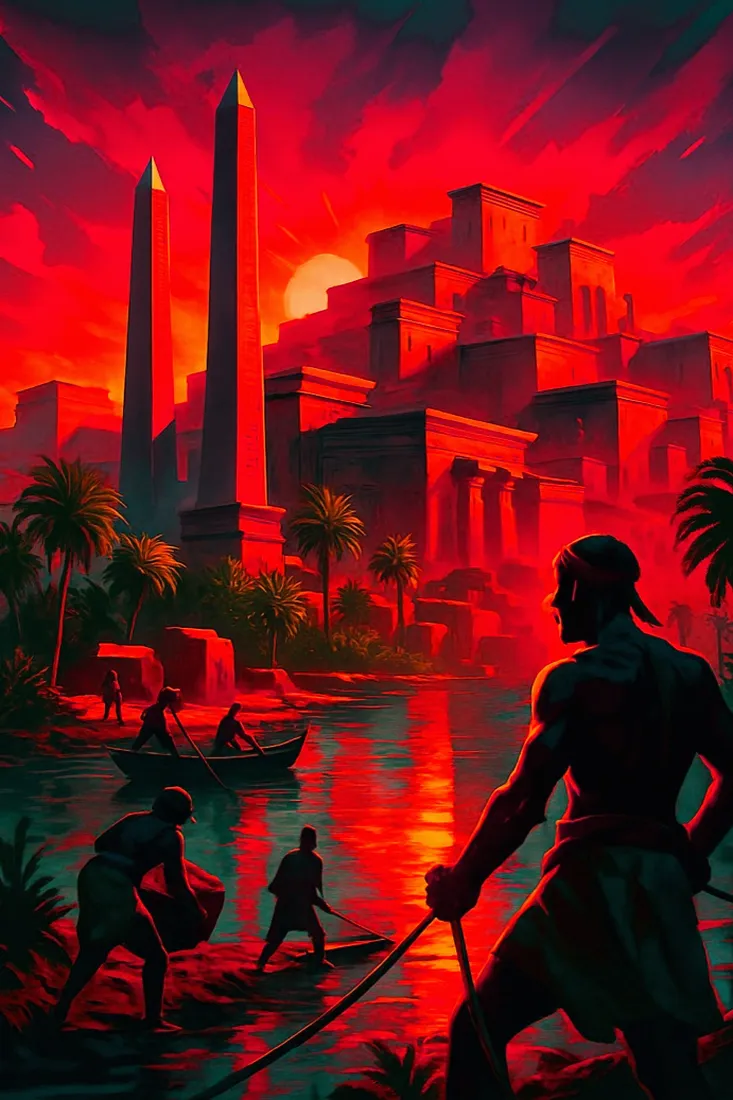
A real-time strategy game set in Egypt around 1200 BCE. Lionmoon’s Anocris asks you to build a city of distinctive Egyptian buildings, research the civilization’s technologies, cast spells and praises, and raise chariots, Anubis warriors and medjay. Join a tribe, fend off desert nomads and expand at a careful, steady pace.

Egyptian city-buildingEconomy managementStrategic expansion
Desktop browser; mobile app also available
Depth of the charts7
Rhythm of a voyage9
Fair winds for free captains8
Crew and company6
Filter, sort and search all six →
Plot your course

Three questions to set your compass

Answer honestly and Marlow will match you with the voyage that fits your evenings, your temperament and the horizon you actually want to stare at.

Marlow
How the desk sails

Logbook rules we keep on every crossing

Strategy games of this kind reveal themselves slowly, so a weekend glance tells you almost nothing. We keep accounts on live worlds, play on ordinary laptops in ordinary evenings, and write down what happened rather than what the trailer promised.

01

Weeks at sea, not an afternoon in port

Every game gets at least several weeks of real play on a live world before we score it. Browser strategy hides its true shape behind early tutorials: the first days feel generous, then the timers lengthen and the neighbours notice you. We want to describe week three, when most players decide whether to stay, as clearly as day one.

Long testsLive worldsReal timers
02

Free captain first, paid shortcuts noted

We play every title without spending, then record exactly where the premium currency is offered and what it actually changes. A shortcut that saves an hour of waiting is a different thing from a purchase that tips a battle, and readers deserve to know which is which before they commit an evening, let alone a weekend.

No spendingShop auditFairness
03

Checked against the official harbour master

Mechanics, gods, units and resources are checked against the publisher’s own pages and well-maintained reference wikis before they appear in a review. Where a detail could not be confirmed we describe the experience in plain terms instead of guessing at a number. Old forum lore is treated with suspicion until we see it ourselves in play.

Fact checksOfficial sourcesNo guesswork

Who keeps the lighthouse burning

Cedarbayarcade is reader-supported in the simplest way: some of the play buttons on our pages are partner links, and when a reader signs up through one, the publisher may thank us for the introduction. That arrangement never buys a ranking. Our order of the six is argued in the open on every review page, the scores sit beside the reasons, and we change them when a game changes.

Know your sailing style

Six kinds of captain, six matching voyages

Most people know within minutes what kind of player they are. Find yourself below and follow the line straight to the game built for that temperament.

oracle

The temple-builder who plays the long game

You like your power layered: a city that feeds an army that serves an alliance, with the gods weighing in at the right moment. You enjoy diplomacy as much as battle, and you do not mind waiting overnight for a fleet to arrive.

Grepolis →
merchant

The merchant prince with a ledger

Your favourite moment is when a shipment of marble lands exactly as your builders run short. You would rather trade than fight, though you will fight to keep a route open. Patience, spreadsheets in your head and a calm temper suit you.

Ikariam →
gunner

The deck gunner who wants to steer

Timers and menus bore you; you want to sail a ship yourself, pick your ammunition, line up a broadside and chase down a sea monster. A good evening for you ends with a hold full of booty and a story about a close escape.

Seafight →
shipwright

The shipwright who tinkers with hulls

You read a parts list the way other people read novels. Swapping armour for speed, testing a new weapon fit, then sending the fleet out to see what breaks is your idea of a fine evening. Defending a fortified base scratches the same itch.

Battle Pirates →
homesteader

The homesteader staking a claim

Dust, timber and a camp that grows into a settlement appeal more than marble temples. You enjoy picking a side, learning what your nation does best, and pushing outward one patch of contested prairie at a time with friends watching your flank.

WildGuns →
scribe

The patient scribe of the river kingdom

You prefer a quiet, methodical climb: research first, economy second, army when the granaries are full. Ancient Egypt, with its chariots, temples and desert nomads, is a setting you would happily spend a winter in, a little each day.

Anocris →
Compare

Two voyages, one table

vs
Messages in bottles

What readers ask before they hoist sail

All six can be started in a desktop web browser, which is how we test them. Grepolis and Anocris also offer mobile apps, and we note that on their cards, but the browser version is the one we score. A modern browser on a reasonably recent laptop handles every game on this list without fuss, including the busier battle screens in Seafight and Battle Pirates.

Yes, each one can be played from the first day to the late game without paying. All six sell a premium currency or convenience items, and we explain on every review exactly what that currency touches. Some games keep it mostly to speeding up timers; others let it reach further into combat strength. That difference is part of our fairness score.

Less per sitting than you might fear, but more regularly. Grepolis, Ikariam, WildGuns and Anocris reward short check-ins spread across the day, because buildings, research and troop movements run on real-time clocks. Seafight and Battle Pirates are closer to proper sessions, where you sit down and steer. Each review includes a pace line describing a normal week.

Ikariam is the gentlest start: the early quests explain the economy carefully and the threats arrive slowly. Grepolis is close behind and has more to grow into. If you want immediate action rather than city planning, Seafight teaches its controls quickly, though its open seas are less forgiving once other captains spot your sails.

Absolutely. Every game here has some form of guild, alliance or tribe, and servers are shared by players across many countries. Time zones matter more than distance: a friend in Halifax and another in Vancouver will see the same world but at different hours, which can actually help an alliance keep watch across a longer evening.

Because scarcity is the design. Ikariam is the clearest case: every island holds one luxury resource beyond timber, so a city that wants marble, wine, crystal glass and sulphur must trade, colonize or take what it needs. Grepolis and WildGuns use gentler versions of the same idea. Scarcity is what turns neighbours into partners or rivals.

Whenever a game changes in a way a player would notice: a relaunch, a major rebalance, a new mobile app or a shift in what the shop sells. We revisit each review on a rolling basis and note substantial changes in the text. If you spot something we missed, the contact page goes straight to the desk.

Last call at the dock

The tide is in and the gangplank is down

You have the chart, the scores and the first-week plans. Choose one game, give it a fortnight of short, steady visits, and judge it after the tutorial glow fades. If it does not fit, come back and try the next berth along the quay.