Grepolis opens on a single island city with timber camps, a quarry and a silver mine ticking away in the background. Within the first hour you are queuing buildings, recruiting your first swordsmen and reading the names of your neighbours on the island map. It feels modest, and that is deliberate: the game is built around compounding growth, where every upgrade you start now pays off while you are at work, asleep or out shovelling the driveway.
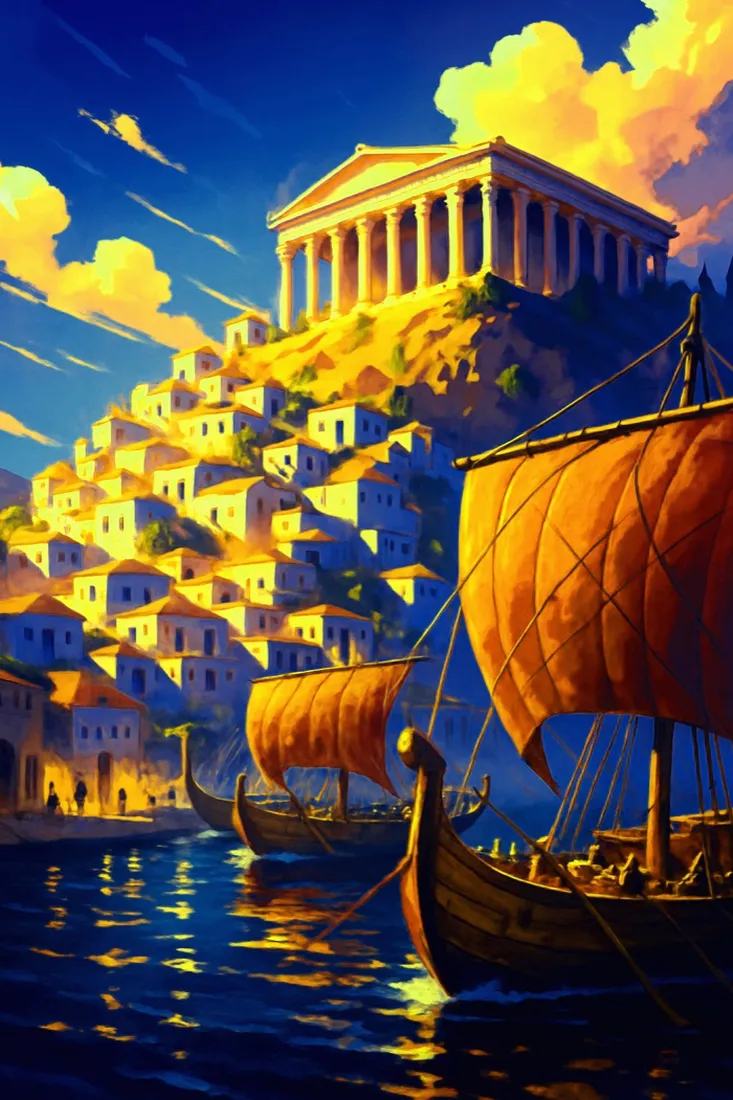
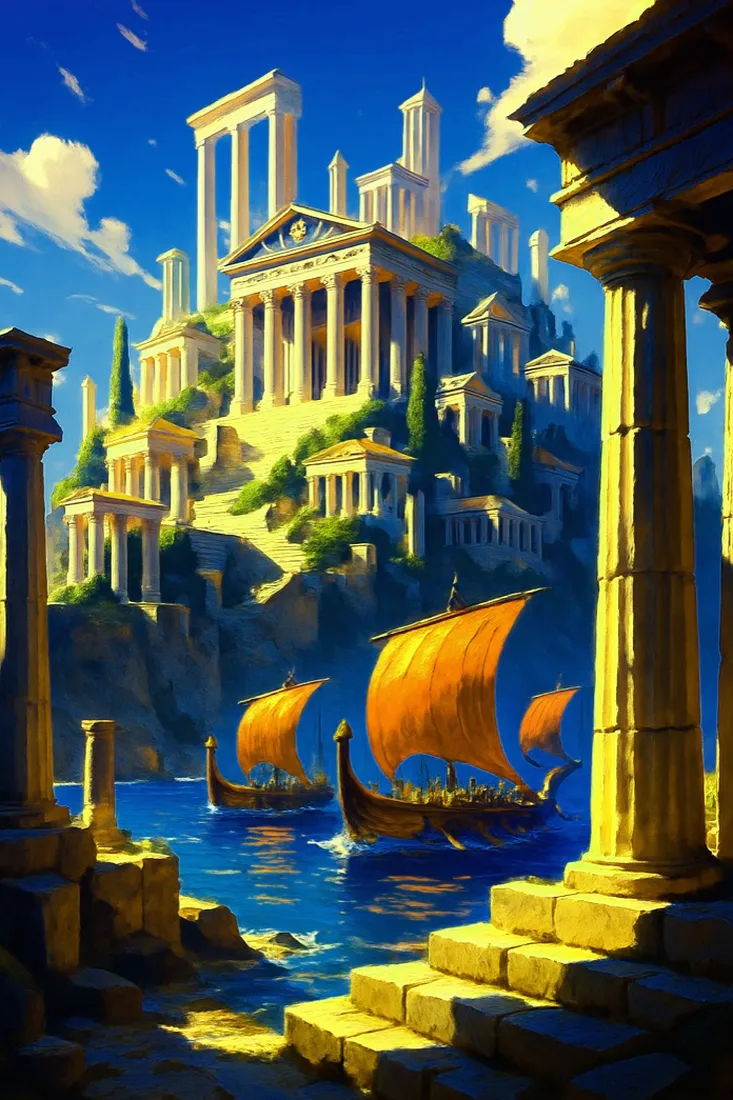
What lifts it above a generic city builder is the combination of sea and sky. Islands mean that most expansion and most war involve ships, so the harbour becomes as important as the barracks. Above that, the gods add a second economy of favour and a roster of mythical units that can turn a defence or an attack. Few browser games layer their systems this cleanly, and fewer still make the layers feel like one coherent world.
Building a polis that can feed a war
The city screen is the heart of Grepolis. Timber, stone and silver come from production buildings that you upgrade in a construction queue, while a farm sets the ceiling on how many citizens you can support. The senate speeds construction, the academy unlocks research and the warehouse decides how much you can store. None of this is exotic, but it is tuned so that every upgrade feels like a real choice between growth, defence and research.
The publisher lists more than thirty technologies to research, and the academy is where your play style quietly forms. Some players beeline for better ships, others for stronger land troops or faster trade. Research points are limited, which means you cannot have everything, and your choices become visible to neighbours when your fleets arrive. That scarcity of research is one of the smartest decisions in the design, because it forces specialisation without ever spelling it out.
Favour from Olympus and the creatures it buys
Once you build a temple you choose a patron god, and favour begins to accumulate. The official page names Zeus, Poseidon, Hera, Athena and Hades, each with their own powers: Hera can help boost production, while Poseidon can help weaken enemy sea power. Favour is spent on these divine powers or on mythical units, and the choice shapes your whole city’s identity in a way a plain bonus never could.
The mythical roster is the game’s most memorable feature. Pegasus, Medusa, the Cyclops, the Minotaur, the Hydra and the Manticore are all named by the publisher, and seeing one in a battle report is a jolt every time. They are costly, so they feel special rather than routine. For newer players they also teach an important lesson early: in Grepolis, the god you pick is a strategic commitment rather than a cosmetic flourish.
Triremes, transports and the geography of islands
Because cities sit on islands, the sea dominates strategy. Land troops need transport ships to go anywhere useful, and fleets of attack and defence ships protect or threaten those crossings. The result is a game where the map really matters: distance between islands sets travel times, and travel times decide whether reinforcements arrive before an attack lands or a heartbeat after.
Naval play rewards planning over reflexes. You time launches so that troops arrive together, and you learn to read incoming attack warnings for what they reveal. It is less cinematic than steering a ship yourself, but it creates genuine tension. Watching a timer count down on a fleet you cannot stop, while your alliance scrambles to send help from the next island over, is as dramatic as browser strategy gets.
Alliances make or break the experience
Grepolis advertises alliances with thousands of real players, and in practice your alliance is the single biggest factor in how much you enjoy the game. A good one shares warnings, coordinates support, explains the meta and makes room for people who can only log in after supper. A poor one leaves you exposed on an island where the larger players have already noticed you.
Our advice is to join early and choose actively. Read alliance profiles, ask questions in the world chat and look for groups whose active hours overlap with yours; on a mostly European world, Canadian evenings can be quiet. Late-game goals such as world wonders depend on collective effort, so an alliance that plans together turns the long haul into a shared project instead of a solitary grind.
Grepolis: the first week afloat
- Follow the opening quests closely; they hand out resources and steer your first upgrades toward a stable economy.
- Pick your patron god once the temple is up, matching it to the role you expect to play: builder, raider or defender.
- Join an alliance by day three, favouring one whose members are active in your own time zone.
- Keep the construction queue full before bed and before work, so the city grows while you are away.
- Build a few defensive troops and transport ships before you go looking for trouble across the water.
What we love
- Gods and mythical units give every city a distinct identity and a reason to plan.
- Island geography makes naval logistics the real centre of strategy.
- Short, regular check-ins fit neatly around a working day.
- Alliance play produces genuinely memorable cooperative moments.
What grates
- Your experience depends heavily on finding a good alliance early.
- Larger, more active players can make life uncomfortable for slow starters.
- Premium currency shortens waits enough to be noticeable in close fights.
The captain Grepolis suits
Players who enjoy planning a few moves ahead, chatting with teammates and watching a small city grow into something formidable over weeks. If you like mythology and do not mind the sea standing between you and every ambition, Grepolis is the most complete voyage on this chart.
Grepolis, weighed at the quay
Grepolis is the richest and most balanced game we reviewed: a city builder, a naval strategy game and a mythology toy box folded into one well-paced package. It asks for regular attention rather than long sessions, and it rewards teamwork more than any other title here. Join an active alliance, choose your god with care and give it a fortnight before deciding.