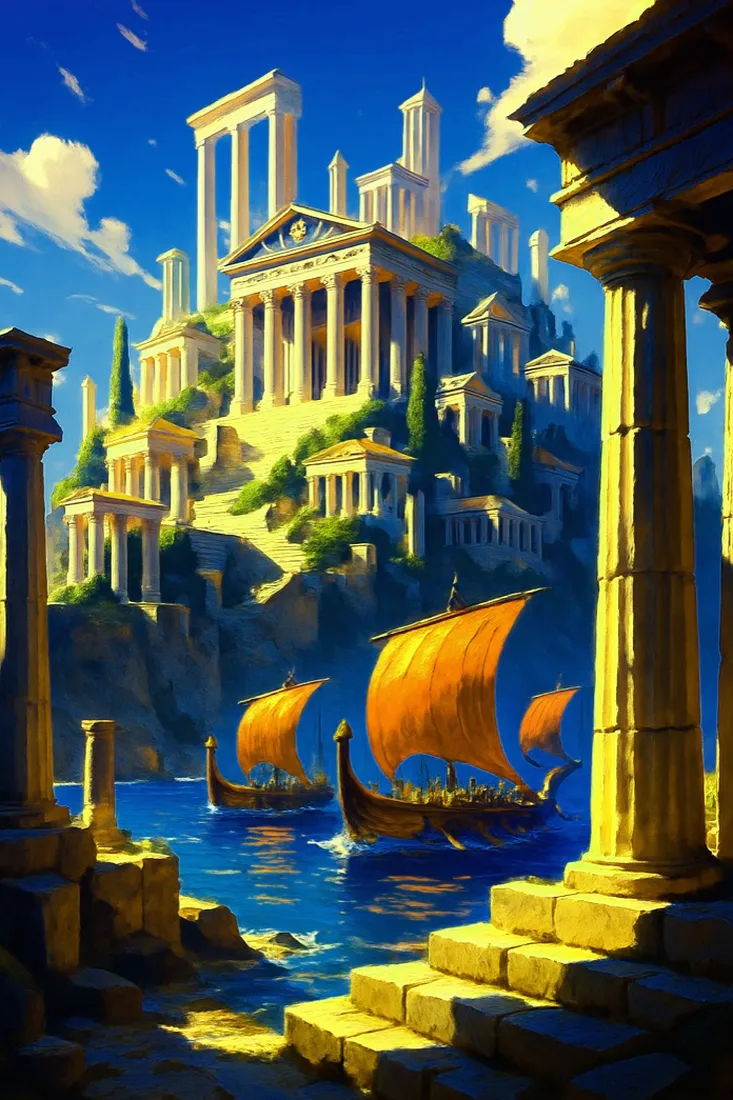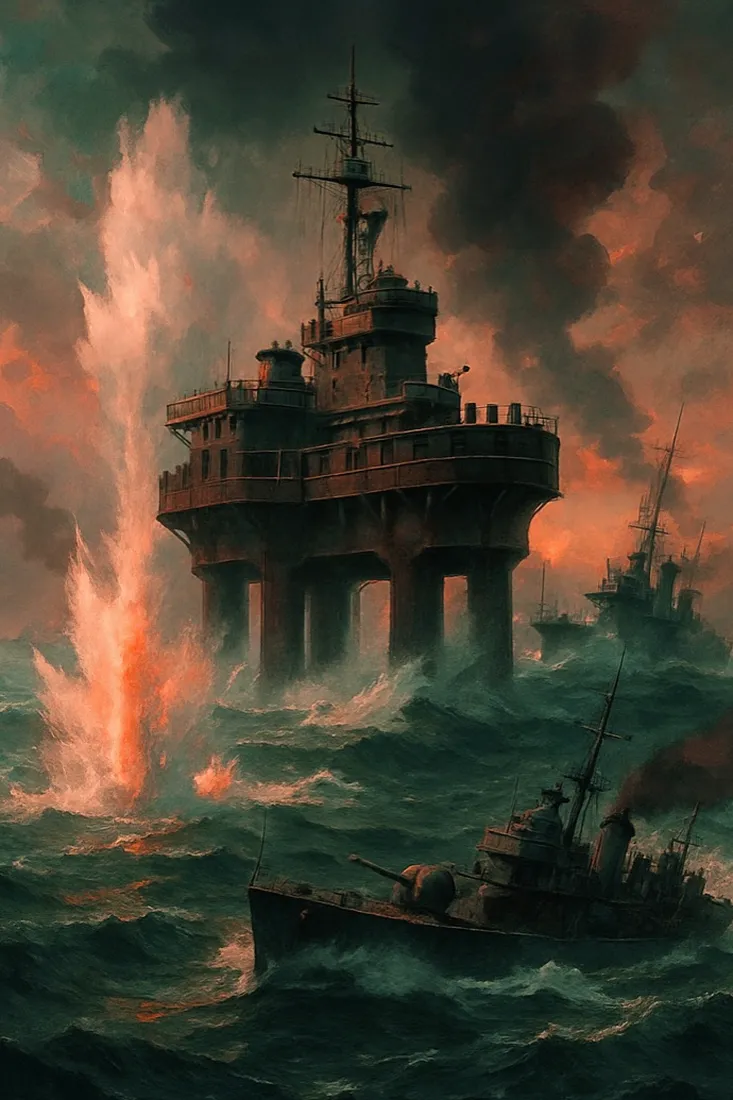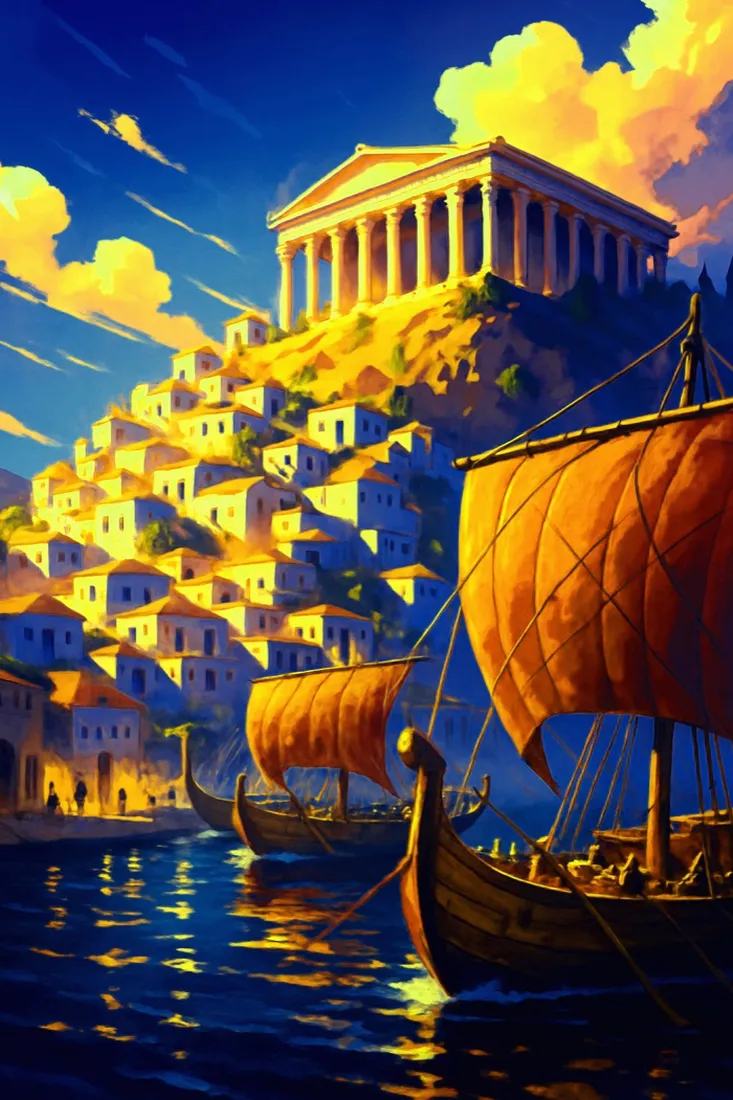
Ikariam describes itself with the sound of the sea, white sand and sun, and the art lives up to it. Your first town sits on a small island among neighbours, with a shared timber forest and one shared luxury resource that defines the island’s place in the world. Gameforge has run this browser game since 2008, and the core loop still holds up because it rests on a puzzle rather than on spectacle.
The resources are wood, wine, marble, crystal glass and sulphur. Every island offers wood, but only one of the other four. A town on a marble island will soon want wine for its taverns, crystal for its research and sulphur for its army, which means ships, colonies, trading partners or force. That one design decision gives Ikariam its character: an empire of scattered towns joined by cargo lanes.
Citizens, wine and the happiness ledger
Your citizens are your workforce. You assign them to the forest, to the island’s luxury resource or to the academy as scientists, and every assignment trades one kind of growth for another. Idle citizens pay taxes, so the balance between gold, materials and research shifts every time you open the town. It is a small, elegant economy that rewards a minute of thought each visit.
Happiness keeps the whole thing moving. A tavern serving wine, a museum filled through cultural treaties and sensible building choices keep the population content and growing. Run out of wine and the mood sours quickly, which is the moment most new players discover why the trade screen exists. We found this the most satisfying part of the game: problems that you can see coming and solve with a plan.
Colonies and cargo routes across the archipelago
Expansion means founding colonies on other islands, ideally ones that produce the luxury your capital lacks. Each new town is another set of buildings to manage, but also another resource stream and another harbour. A well-placed second town on a sulphur or crystal island can transform your options in a single week.
Moving goods between towns and trading partners is where the empire comes together. You load merchant ships, send them across the water and plan around travel times. Early on it feels like errands; later it feels like running a shipping company. Players who enjoy logistics will lose whole commutes on the GO train to planning which town needs marble next and which can spare a cargo of wine.
Research, governments and a long horizon
The academy turns scientists into research points, and the research tree reaches into economy, seafaring, science and the military. Research is slow by design, and the order you choose shapes how your towns grow. Rushing military research before your economy is stable is the classic early mistake, and the game punishes it gently rather than brutally.
Further along you can adopt different forms of government, which adjust how your empire behaves. These choices are best left until you understand your own play style, but they give long-term players something to work toward beyond bigger numbers. Ikariam’s horizon is measured in months, and the game is comfortable with that. It never pretends to be quick.
Fleets, troops and when to besiege a port
War exists and it matters. You train soldiers in barracks, build warships in a shipyard and can blockade or attack the ports of rival towns. Sulphur fuels most of it, which ties military ambition straight back to the economy. A player with no sulphur island and no trading partner simply cannot field much of an army, which keeps warfare grounded in logistics.
For many players, though, the military is mostly a deterrent. A modest garrison and some ships make your towns a poor target, and that is often enough. Aggressive players will find plenty to do, but Ikariam is at its best when conflict is the exception, the result of a trade dispute or a rival colony crowding your island, rather than a constant hum.
Ikariam: the first week afloat
- Follow the advisers and early tasks; they explain the economy step by step and hand out useful resources.
- Balance workers between wood and your island’s luxury resource before assigning many scientists.
- Build a tavern early and keep wine flowing so your population keeps growing.
- Scout nearby islands for the luxury goods you lack and plan your first colony around them.
- Make one reliable trading contact; a steady partner is worth more than a big army this early.
What we love
- The one-luxury-per-island rule creates a genuinely interesting trade puzzle.
- Calm pacing that forgives a missed evening or two.
- Warm, animated art that makes small towns feel lived in.
- Warfare is rooted in logistics rather than raw clicking speed.
What grates
- The interface shows its age compared with newer strategy games.
- Managing several towns becomes menu-heavy in the mid game.
- Progress slows noticeably once early quests run out.
The captain Ikariam suits
Patient builders, spreadsheet thinkers and anyone who would rather negotiate a cargo of crystal glass than storm a harbour. If you want a relaxing but substantial strategy game to tend a little each day through a long Canadian winter, Ikariam is the most welcoming voyage here.
Ikariam, weighed at the quay
Ikariam is the thinking captain’s island game. Its single big idea, that no island has everything, still produces satisfying decisions years after launch, and its calm pace suits people with busy lives. The interface is dated and the mid game can feel like paperwork, but the economy at its core is sturdy and rewarding. Start with trade, add colonies, and fight only when you must.